
A dump trailer hydraulic cylinder works hard every time the trailer bed goes up and down. Over time, dirt, moisture, worn seals, and poor maintenance can affect its performance.
For trailer manufacturers, dealers, and fleet owners, a little routine maintenance can help reduce unexpected downtime and catch problems before they become expensive repairs.
The good news is that basic cylinder care does not need to be complicated. The key is to keep the rod clean, check for leaks, use the right hydraulic fluid, and pay attention to changes in how the system operates.
In this guide, we will cover the main maintenance steps for dump trailer hydraulic cylinders, including telescopic cylinders commonly used in dump trailers.
Why Is Hydraulic Cylinder Maintenance Important?
A hydraulic cylinder converts fluid pressure into movement to lift and lower the dump bed. During operation, its rod, seals, mounting points, and internal parts work under repeated loads.
If dirt reaches the sealing area, it can damage the seals. If the rod becomes scratched or corroded, leaks may follow. Poor alignment or worn mounting pins can also put extra stress on the cylinder.
Regular maintenance helps you:
- Find oil leaks before fluid loss becomes a bigger problem.
- Reduce wear on the rod and seals.
- Spot loose mounts or damaged components.
- Identify changes in lifting speed or movement.
- Plan repairs before they cause unnecessary downtime.
For businesses operating multiple trailers, a simple inspection routine also helps maintenance teams track recurring problems across their fleet.
1. Inspect the Cylinder Before Use

Start with a visual inspection before using the dump trailer, especially after long storage, heavy use, or transport over rough roads.
Look at the exposed rod, cylinder body, mounting points, hoses, and hydraulic connections. You do not need to take the cylinder apart to notice many common warning signs.
Check for:
- Fresh hydraulic oil around the rod seal or connections.
- Scratches, rust, dents, or pitting on the exposed rod.
- Bent components or visible damage to the cylinder body.
- Loose, worn, or damaged mounting pins and retainers.
- Cracked hoses, damaged fittings, or signs of rubbing.
Pay attention to changes from the cylinder’s normal condition. A new oil leak or a rod that looks different from the last inspection deserves attention.
Important: Never place any part of your body under a raised dump bed supported only by hydraulic pressure. If an inspection requires access beneath the bed, empty the trailer and follow the trailer manufacturer’s procedure for installing the approved mechanical safety support.
2. Keep the Hydraulic Cylinder Rod Clean

When the rod retracts, the wiper seal helps remove dirt and debris from its surface. If grit builds up on the rod, it can wear the wiper and rod seal over time.
For routine cleaning:
- Park the trailer safely and follow the manufacturer’s shutdown procedure.
- Use a clean, soft, lint-free cloth to wipe dirt from the exposed rod.
- Check the rod for rust, scratches, pitting, or other damage.
- Look for oil around the seal area.
- Report any damage that could affect the sealing surface.
Avoid wire brushes, abrasive pads, and aggressive cleaning tools on the rod surface. These can damage the finish and create areas where corrosion or seal wear may start.
Do not use a damaged rod as if it were normal. Deep scratches, pitting, or visible bending may require inspection by a qualified hydraulic technician.
For multi-stage telescopic cylinders, inspect the exposed stages carefully as they extend. Dirt can collect on the larger and smaller stages, particularly when trailers work in dusty construction sites or muddy conditions.
3. Check for Oil Leaks Around the Cylinder

A small amount of dirt or moisture around a component can make a leak difficult to identify. Clean the area first, then check again during a safe operating inspection.
Pay attention to these locations:
- The rod seal area.
- The cylinder ports and hydraulic connections.
- Hoses and fittings near the cylinder.
- Areas around telescopic stages.
- The pump and reservoir, if fluid loss is not clearly coming from the cylinder.
A thin film of oil on a moving rod is not always proof of a failed seal. However, repeated wetness, dripping oil, or fluid collecting around the cylinder should be investigated.
If you find a leak, do not simply keep adding hydraulic fluid and continue working. Find the source and arrange the correct repair.
Never use your hand to search for a high-pressure hydraulic leak. Fluid under pressure can penetrate the skin and cause a serious medical emergency. Stop the system and have the fault checked safely.
Also remember that not every hydraulic leak comes from the cylinder. A damaged hose, loose connection, pump seal, or valve can cause similar symptoms.
4. Check Hydraulic Fluid Level and Condition
The cylinder depends on the hydraulic system to operate correctly. Low fluid, contaminated oil, or fluid that does not meet the system requirements can affect lifting performance and component life.
Check the reservoir according to the hydraulic power unit or trailer manufacturer’s instructions. The correct checking procedure can vary by system design and cylinder position.
Look for signs such as:
- Fluid below the specified level.
- Unusual discoloration or visible contamination.
- Foaming or bubbles in the reservoir.
- A milky appearance that may indicate water contamination.
- Unusual changes in system performance.
Use the hydraulic fluid type specified by the equipment manufacturer. Do not choose oil based only on the season or another trailer’s requirements.
When topping up the reservoir, use clean equipment and prevent dirt or water from entering the system. Follow the specified fluid-change and filter-service intervals.
If the oil looks contaminated, find out why before adding fresh fluid. Water ingress, worn components, and poor handling during servicing may need to be addressed.
Related reading: [Hydraulic Cylinder Troubleshooting Guide]
5. Inspect Mounting Pins and Alignment
A hydraulic cylinder is designed to apply force through its intended line of movement. Poor alignment or worn mounting hardware can create side loads that the cylinder was not designed to handle.
Over time, this extra stress can contribute to rod wear, seal damage, loose connections, or bent components.
During routine inspections, check:
- Mounting pins and retainers for wear or damage.
- Bushings for excessive movement.
- Mounting brackets for cracks or deformation.
- Signs that the cylinder is rubbing against nearby parts.
- Unusual movement or binding during normal operation.
Do not assume the cylinder itself is faulty when it moves unevenly. Worn pivots, damaged trailer structure, uneven loading, or a problem elsewhere in the hydraulic system may be involved.
If the cylinder appears misaligned, stop and have the mounting arrangement inspected. Do not force the cylinder through its stroke to overcome binding.
For trailer manufacturers, checking cylinder mounting geometry during design and assembly is just as important as selecting the correct cylinder size.
6. Pay Attention to Changes in Cylinder Movement
A change in lifting performance can be an early warning sign. The cylinder may move more slowly than usual, hesitate, move unevenly, or fail to hold its position as expected.
These symptoms do not always mean the cylinder needs replacement. The cause may be in the hydraulic power unit, battery, pump, valve, hoses, fluid supply, or cylinder itself.
Here are a few things to watch for:
Slow lifting: Check the fluid level and look for leaks, restricted hoses, or changes in pump performance.
Jerky movement: Air in the system, contamination, binding, or uneven loading may be involved.
The dump bed drifts down: A cylinder seal or a load-holding valve may be allowing fluid to pass. The cause needs to be identified before parts are replaced.
Unusual noise: The pump may be drawing air, the fluid level may be low, or another system component may need attention.
Do not keep cycling the system if the movement becomes unsafe or the cylinder shows visible damage. Stop operation and have the problem diagnosed.
7. Follow a Practical Maintenance Schedule
There is no single maintenance interval that fits every dump trailer. A trailer used daily on dusty construction sites may need more frequent attention than one used occasionally for light loads.
Use the trailer and hydraulic component manufacturers’ service instructions as the main reference. The following checklist is a starting point, not a replacement for those instructions.
Before Each Use
- Look for leaks around the cylinder, hoses, and fittings.
- Check the exposed rod for dirt or visible damage.
- Look for loose pins, retainers, or damaged mounts.
- Confirm that safety devices are in place and working.
During Regular Scheduled Maintenance
- Check hydraulic fluid level and condition.
- Inspect hoses and fittings for wear or damage.
- Clean exposed cylinder rods.
- Check mounting pins, bushings, and brackets.
- Note any change in lifting speed, noise, or movement.
- Record problems and repairs for future reference.
After Heavy Use or Harsh Conditions
- Remove accumulated dirt and mud from accessible surfaces.
- Check for new scratches, corrosion, or impact damage.
- Inspect hoses and connections for abrasion.
- Check for signs of water or other contamination.
- Arrange a closer inspection if the cylinder has been overloaded or struck.
Lubricate pivot points only where the trailer design provides grease fittings, and use the lubricant and interval specified by the manufacturer. Do not assume every cylinder surface or telescopic stage should be greased.
A short maintenance record can help dealers and fleet managers spot repeat failures and plan service before a trailer is taken out of operation.
8. Know When to Repair or Replace the Cylinder
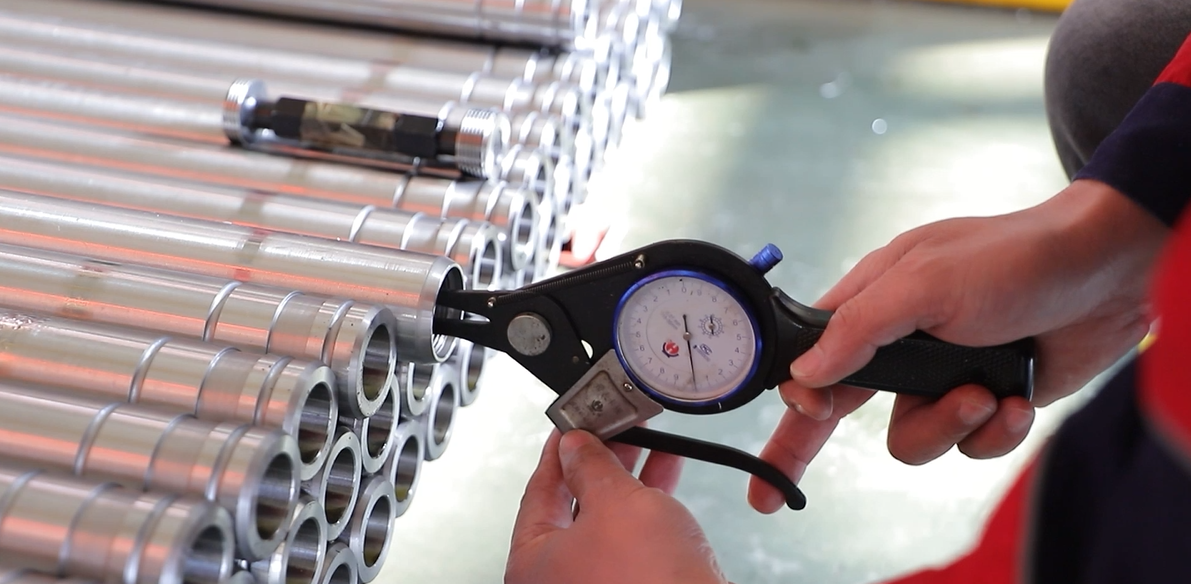
Routine maintenance can reduce wear, but it cannot prevent every failure. Some problems can be repaired, while others may require a replacement cylinder.
A seal issue may be repairable if the rod and other parts remain in suitable condition. A badly scored or bent rod, damaged cylinder body, or repeated failure may require a more detailed assessment.
Before ordering a replacement, confirm:
- Cylinder type and number of stages.
- Bore, rod or stage dimensions, and stroke where applicable.
- Retracted and extended lengths.
- Mounting style and pin dimensions.
- Port type and location.
- Required operating pressure and lifting application.
- Any space or installation limits.
Do not order by appearance alone. Two cylinders can look similar but differ in stroke, mounting dimensions, pressure requirements, or internal design.
For telescopic dump trailer cylinders, confirm the full set of dimensions and the intended lifting arrangement. The correct replacement must fit the trailer design and work with its hydraulic system.
Related reading: [How to Measure a Hydraulic Cylinder for Replacement]
If you cannot find a suitable standard cylinder, a vérin hydraulique sur mesure may be an option. Provide the existing cylinder dimensions, application details, photos, and drawings where available so the supplier can review the requirements.
9. Maintenance Tips for Trailer Manufacturers and Dealers
For trailer manufacturers and dealers, maintenance is not just an owner issue. The cylinder’s design, installation, and service information can all affect long-term performance.
Consider these points when selecting or supplying hydraulic cylinders:
- Confirm that the cylinder matches the trailer’s lifting geometry and load requirements.
- Check mounting dimensions and available installation space before production or replacement.
- Make sure the hydraulic system and cylinder specifications are compatible.
- Provide clear inspection and service instructions to customers.
- Keep cylinder specifications and replacement records for each trailer model.
For dealers, collecting the original cylinder details before quoting a replacement can reduce ordering errors and unnecessary downtime.
For OEMs, reviewing the application before production helps ensure the cylinder is suited to the trailer’s lifting requirements rather than selected by size alone.
Questions fréquemment posées
How often should I inspect a dump trailer hydraulic cylinder?
Check for visible leaks, dirt, and damage before use. Carry out more detailed inspections at the intervals stated in the trailer and hydraulic system manuals. Heavy use, dust, moisture, and harsh working conditions may call for more frequent checks.
Should I grease a telescopic dump trailer cylinder?
Only lubricate the pivot points and other locations specified by the manufacturer. Do not apply grease to every exposed cylinder stage unless the cylinder’s maintenance instructions specifically require it.
Pourquoi le vérin hydraulique de ma remorque benne fuit-il ?
Possible causes include worn seals, a scratched or corroded rod, damaged connections, or a problem elsewhere in the hydraulic system. Identify the source before deciding which part to repair or replace.
Why does my dump trailer lift slowly?
Low fluid, contaminated oil, air in the system, restricted hoses, a weak battery, pump problems, or internal leakage may cause slow lifting. Check the system safely and avoid assuming the cylinder is the only possible cause.
Can I repair a dump trailer hydraulic cylinder instead of replacing it?
Sometimes. Seal replacement or other repairs may be possible if the main components are in suitable condition. A damaged rod, cylinder body, or telescopic stage may require specialist assessment to determine whether repair is practical.
Réflexions finales

These steps help trailer owners, manufacturers, and dealers identify problems earlier and make better repair or replacement decisions.
If you need a replacement or a cylinder built to match your trailer’s requirements, start with the application details and dimensions.
Looking for a dump trailer hydraulic cylinder for your next build or replacement project?
 French
 English
 Spanish (Peru)
 German
 Russian
 Arabic
 Japanese
 Spanish (Spain)
 Portuguese
 Chinese